
3D Planning and Guides for Osteotomies
Personalization meets excellence
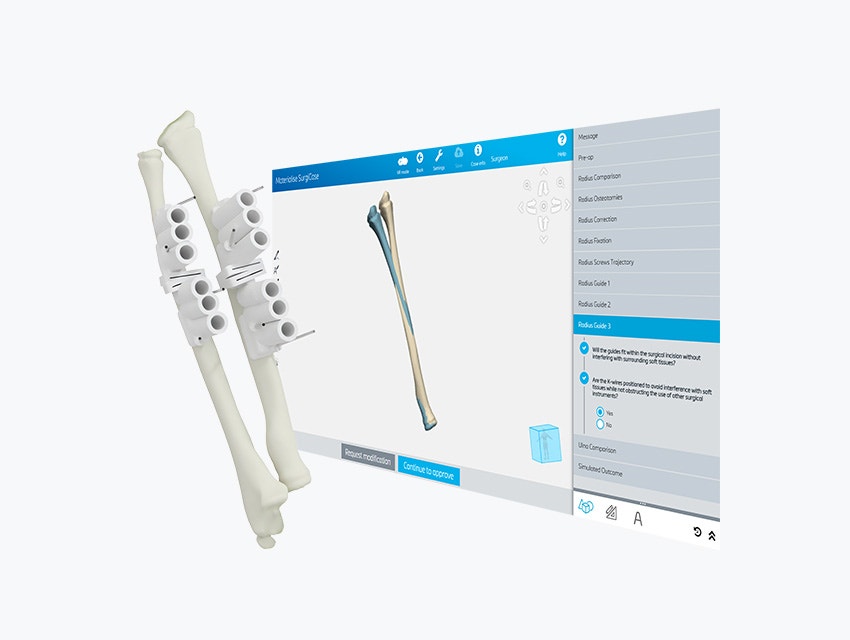
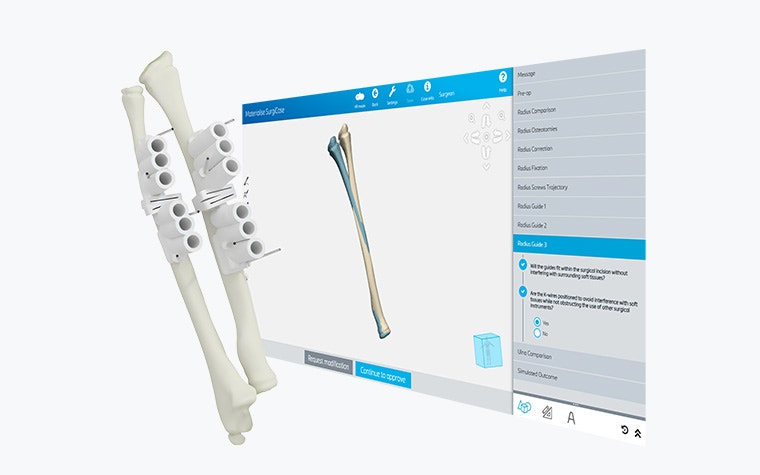
More than 80%1 of rotational deformities go unnoticed in X-rays, and 60%2 of osteotomies do not obtain the planned correction. Don’t compromise on the outcome of your bone deformity corrections. Personalized 3D solutions can help you achieve more predictable outcomes and high patient satisfaction. Streamlined collaboration and simplified design approval processes are supported by our easy-to-use digital platform.
Why surgeons trust us
Unmatched expertise
Easily collaborate with clinical engineers using an intuitive online 3D planner and tap into 15+ years of experience 3D planning and printing 4,500+ cases.
More confidence
Preoperative planning with our clinical engineers helps you better prepare for surgery, reduce intraoperative decisions, and educate your patients.
Multiple fixation options
We collaborate with leading plate manufacturers to optimize fixation possibilities, giving you the flexibility to choose the implant system that best fits your patient’s anatomy.
Satisfied patients
Clinical evidence shows postoperative improvement of pain and function with good patient satisfaction.3,4,5
How we support you
3D planning supported by clinical expertise
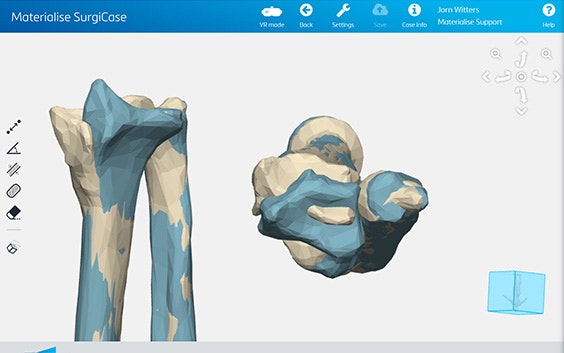
3D models are generated from your patient’s CT scans to start. By overlaying the mirrored, contralateral side on the surgical side, you can analyze the deformity relative to the patient’s healthy anatomy. Based on this analysis, you can get a more precise definition of the required correction beyond conventional 2D evaluation.
Collaborative 3D planning session
Our experienced clinical engineers will discuss and simulate the possible correction strategies preoperatively before ever making a cut. Together, you will work interactively to finalize and tailor the pre-surgical plan to fit the patient’s needs, your preferences, and the procedure's technical challenges.
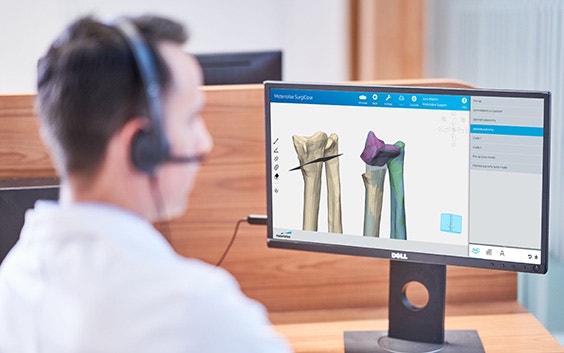
Dedicated clinical engineering support
Our clinical engineers support you throughout the entire process, from image review and 3D planning to the design of personalized surgical guides. Drawing on experience from more than 4,500 osteotomy cases, they translate surgical objectives into accurate, executable plans.
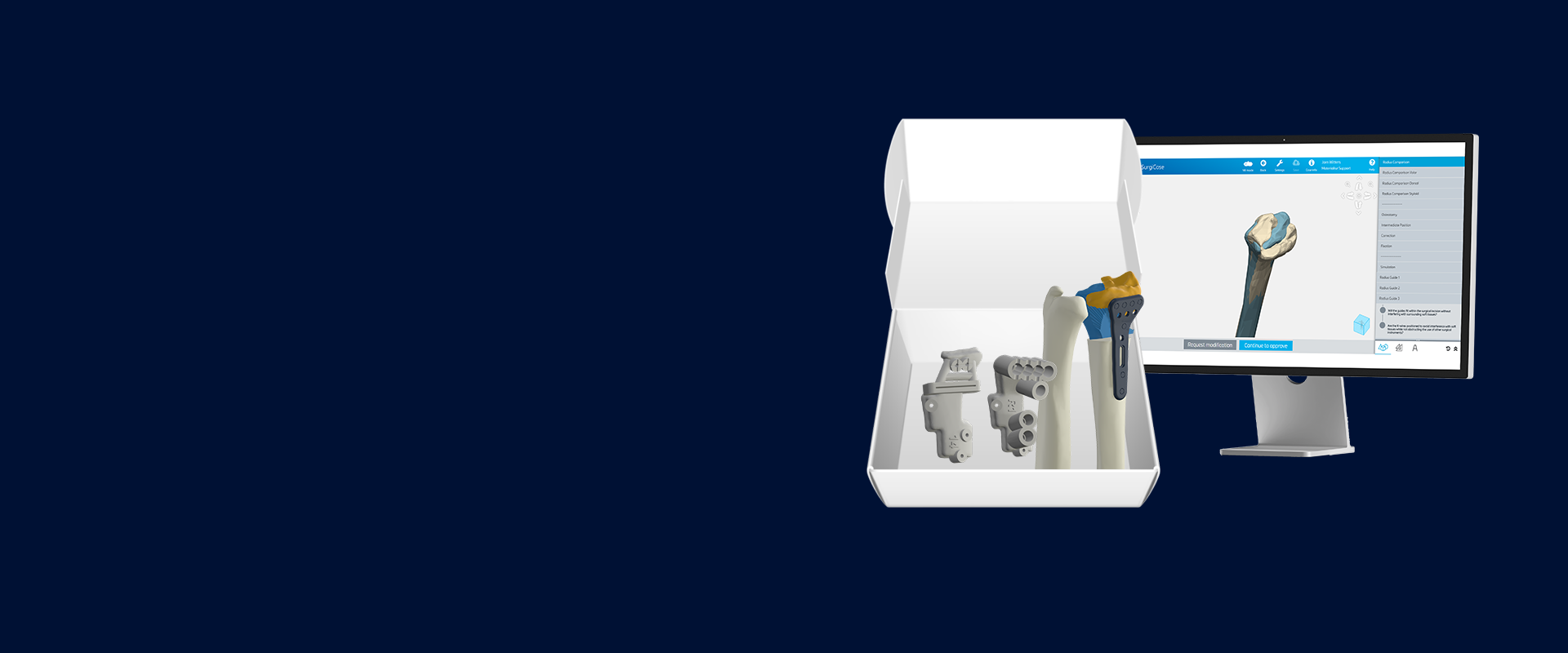
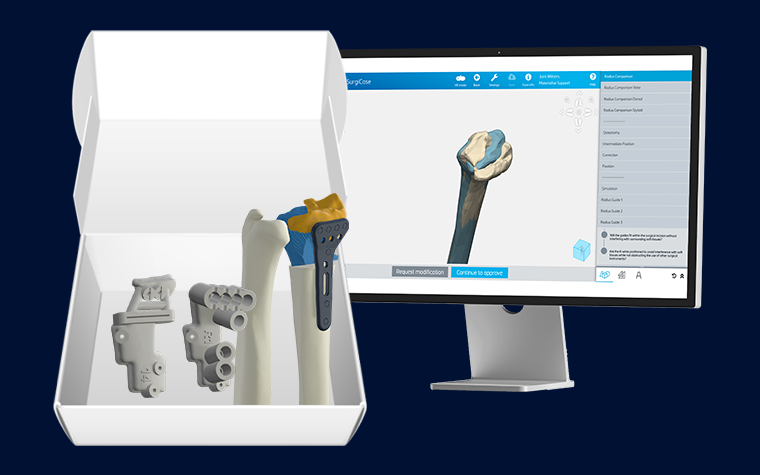
Your personalized osteotomy kit
Designed from the validated 3D plan
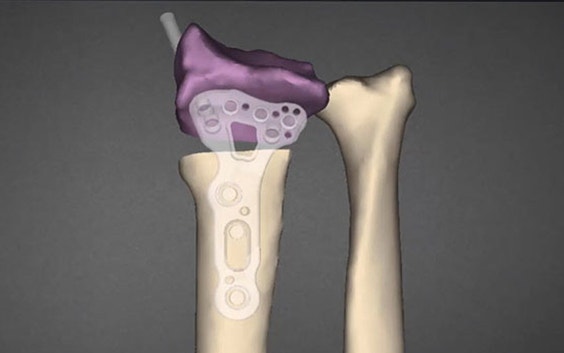
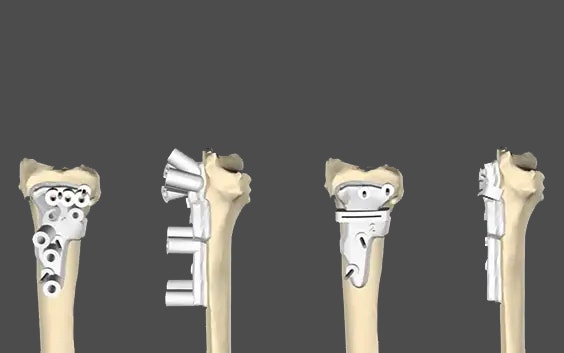
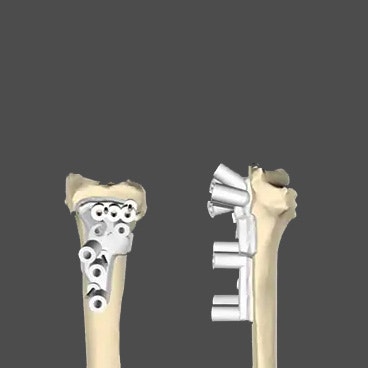
With osteotomy guides designed from the validated 3D plan, you can accurately transfer the planned correction to the OR. Each design is tailored to your technique and instrumentation.
Stable fit through guide technology
Guide stability technology assesses bone contact, positioning, and fixation to support improved guide design. This analysis helps ensure secure placement on the patient’s anatomy during surgery.
Personalized instrumentation for OR support
Each case includes personalized instruments to support the preparation and execution of the planned correction. This may include 3D‑printed models for guide positioning/verification, a surgical report, and OR posters for visual reference.
Indications
Wrist deformity
Wrist deformity correction often involves complex, multi-planar malalignment where small residual errors can significantly impact function. 3D planning supports detailed analysis of distal radius deformities following extra- or intra-articular fractures, as well as congenital conditions such as Madelung’s disease and multiple hereditary exostoses. Patient-specific guides help translate the planned correction accurately to the operating room.
Forearm deformity
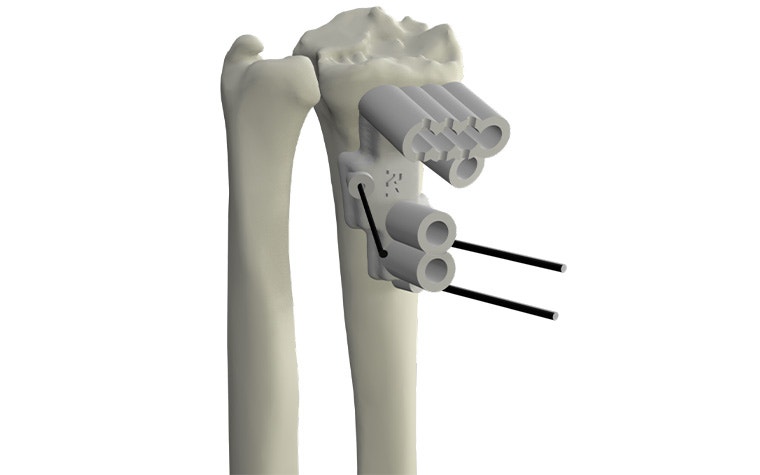
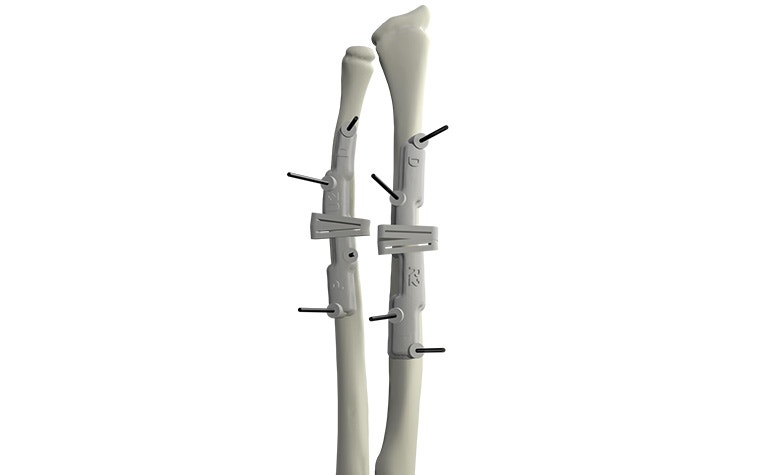
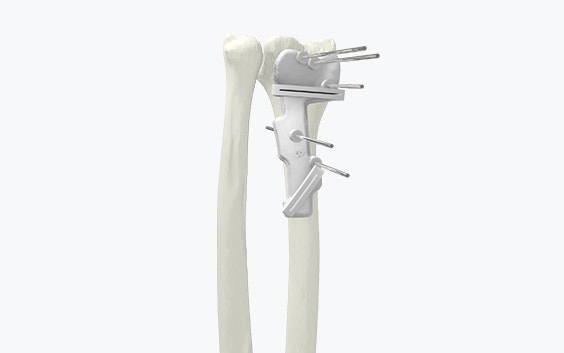
Forearm deformities frequently present as combined angular and rotational malunions, where restoring pronation and supination is clinically demanding. Our solutions support correction after both-bone forearm fractures and other complex deformities by enabling precise 3D assessment of alignment and rotation, combined with patient-specific guides that support the accurate execution of the planned correction.
Hand deformity
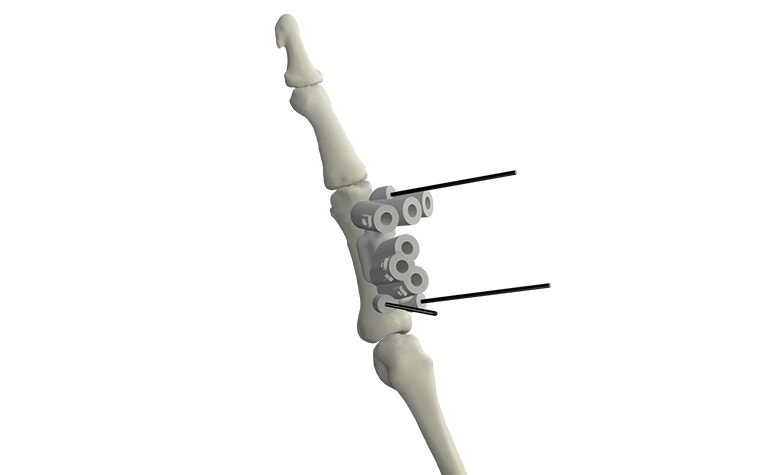
Hand deformity correction demands high precision due to limited bone size and the functional importance of angular and rotational alignment changes. Materialise supports the correction of metacarpal and phalangeal deformities through detailed 3D planning and patient‑specific guides that help transfer the planned correction accurately during surgery.
Shoulder deformity
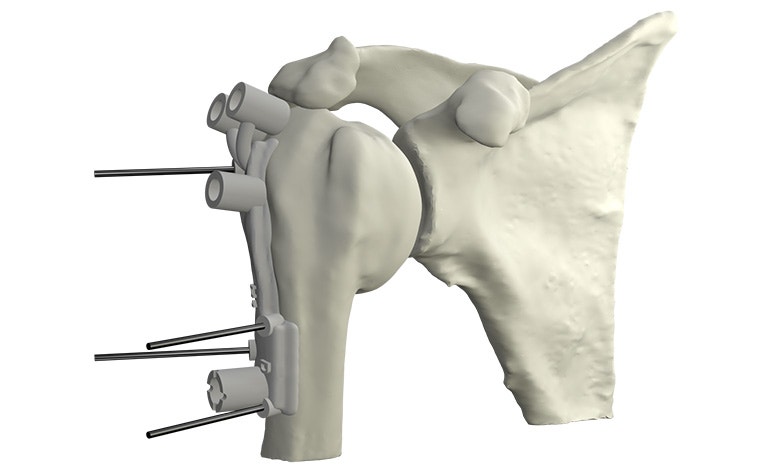
Post-traumatic shoulder deformities can alter anatomy in ways that are difficult to assess and correct using conventional planning alone. Materialise supports the correction of clavicle and proximal humerus malunions by enabling 3D analysis of deformities and the design of patient-specific guides to support accurate execution of the surgical plan.
Hip deformity
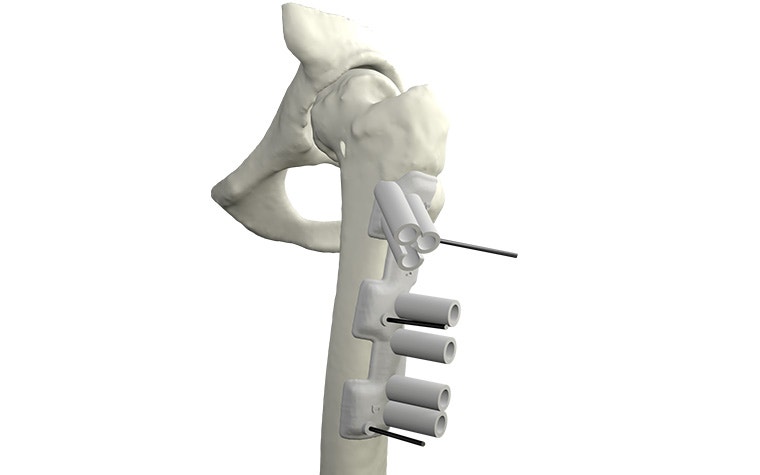
Hip deformity correction often involves complex spatial deformities with a narrow margin for error. Materialise supports correction of post-traumatic femoral deformities and selected developmental conditions such as hip dysplasia or slipped capital femoral epiphysis (SCFE) through detailed 3D planning and patient-specific guides designed to support accurate correction.
Knee deformity
Knee deformity correction requires precise control of alignment to achieve the intended mechanical axis and joint loading. Materialise’s 3D planning supports correction following extra- or intra-articular tibial plateau fractures and enables accurate varus or valgus correction in high tibial osteotomy (HTO) and distal femoral osteotomy (DFO). Patient-specific guides help transfer the planned correction reliably to the operating room.
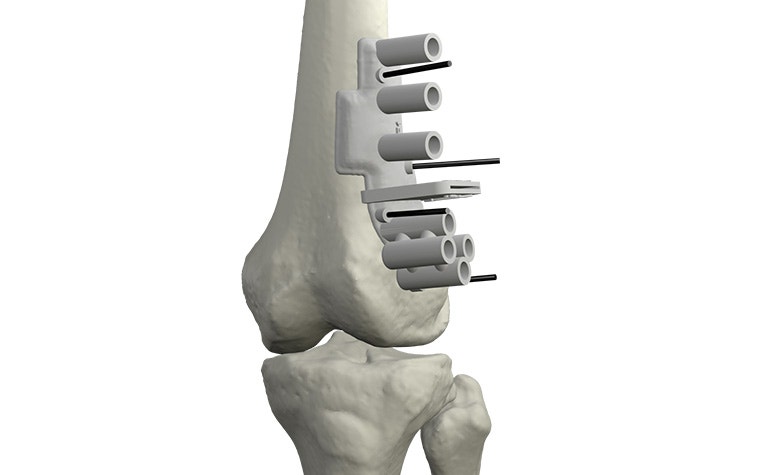
Ankle deformity
Ankle deformity correction demands accurate assessment of joint orientation and alignment to restore load distribution. Materialise supports correction after extra- or intra-articular distal tibia fractures, as well as precise varus or valgus corrections of the ankle, using detailed 3D planning and patient-specific guides.
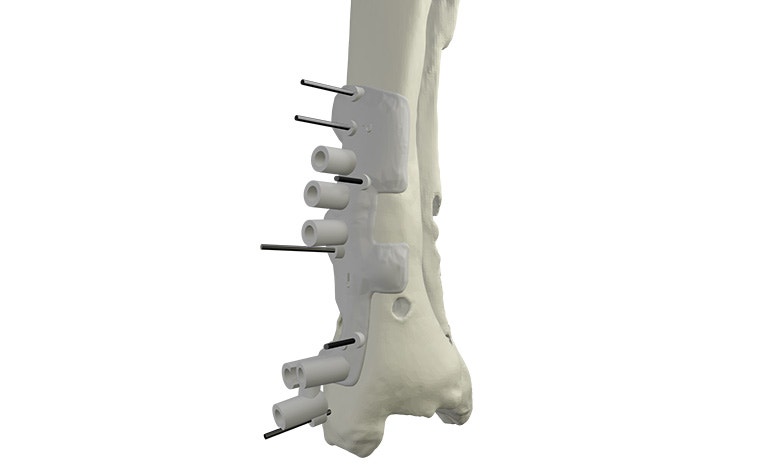
Wrist deformity
Wrist deformity correction often involves complex, multi-planar malalignment where small residual errors can significantly impact function. 3D planning supports detailed analysis of distal radius deformities following extra- or intra-articular fractures, as well as congenital conditions such as Madelung’s disease and multiple hereditary exostoses. Patient-specific guides help translate the planned correction accurately to the operating room.
Forearm deformity
Forearm deformities frequently present as combined angular and rotational malunions, where restoring pronation and supination is clinically demanding. Our solutions support correction after both-bone forearm fractures and other complex deformities by enabling precise 3D assessment of alignment and rotation, combined with patient-specific guides that support the accurate execution of the planned correction.
Hand deformity
Hand deformity correction demands high precision due to limited bone size and the functional importance of angular and rotational alignment changes. Materialise supports the correction of metacarpal and phalangeal deformities through detailed 3D planning and patient‑specific guides that help transfer the planned correction accurately during surgery.
Shoulder deformity
Post-traumatic shoulder deformities can alter anatomy in ways that are difficult to assess and correct using conventional planning alone. Materialise supports the correction of clavicle and proximal humerus malunions by enabling 3D analysis of deformities and the design of patient-specific guides to support accurate execution of the surgical plan.
Hip deformity
Hip deformity correction often involves complex spatial deformities with a narrow margin for error. Materialise supports correction of post-traumatic femoral deformities and selected developmental conditions such as hip dysplasia or slipped capital femoral epiphysis (SCFE) through detailed 3D planning and patient-specific guides designed to support accurate correction.
Knee deformity
Knee deformity correction requires precise control of alignment to achieve the intended mechanical axis and joint loading. Materialise’s 3D planning supports correction following extra- or intra-articular tibial plateau fractures and enables accurate varus or valgus correction in high tibial osteotomy (HTO) and distal femoral osteotomy (DFO). Patient-specific guides help transfer the planned correction reliably to the operating room.
Ankle deformity
Ankle deformity correction demands accurate assessment of joint orientation and alignment to restore load distribution. Materialise supports correction after extra- or intra-articular distal tibia fractures, as well as precise varus or valgus corrections of the ankle, using detailed 3D planning and patient-specific guides.
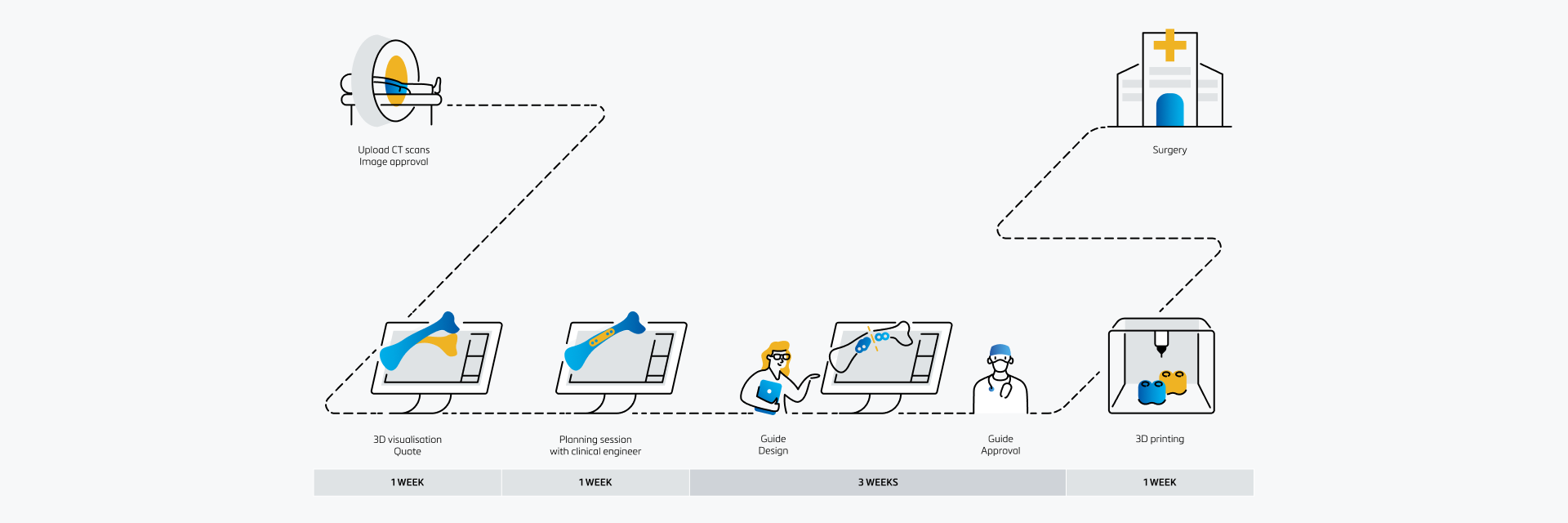
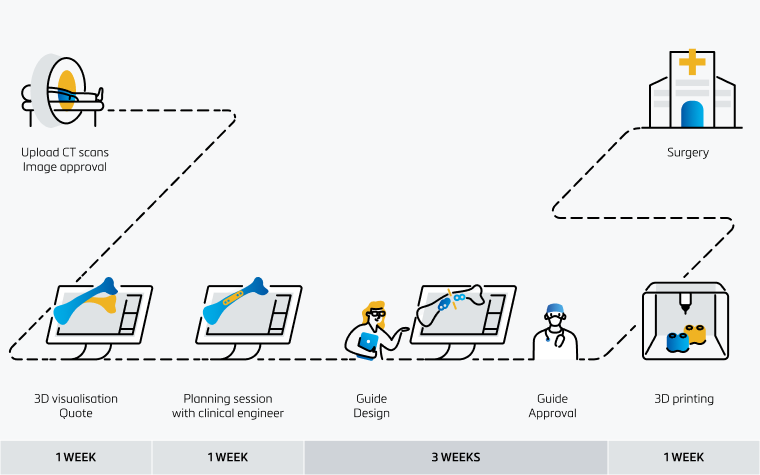
Ordering process
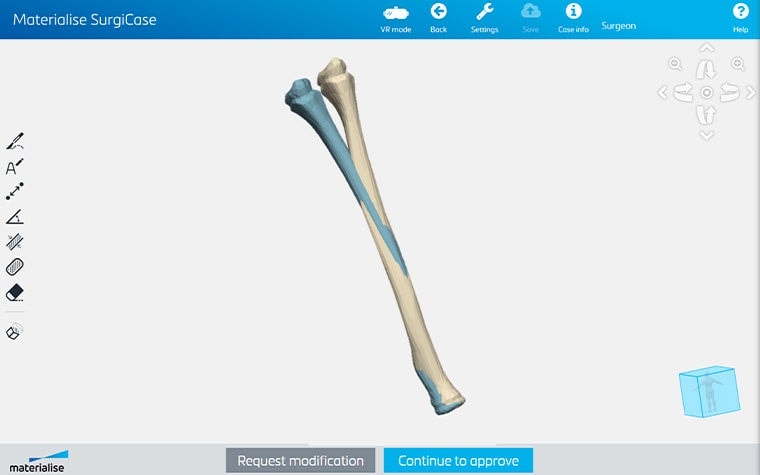
An easy-to-use digital platform
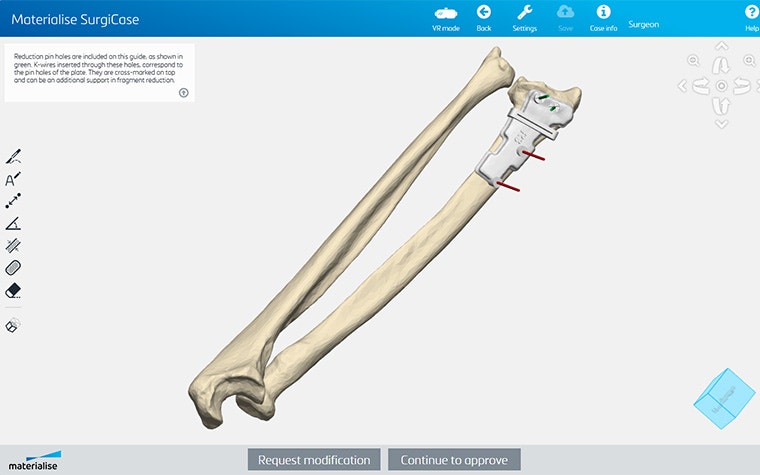
SurgiCase is an all-in-one, web-based collaboration platform where you can upload images, review and approve your plan, and collaborate with your clinical engineer. Securely access the platform from any browser.
Clinical evidence
Scientific literature suggests Materialise’s personalized osteotomy system may reduce operative and fluoroscopy time while improving precision and postoperative outcomes compared to conventional methods.
3D corrective osteotomies improve pro-supination
Outcomes of 3-D corrective osteotomies for paediatric malunited both-bone forearm fractures (2021)
3D technology holds the potential to achieve consistent accuracy of very complex corrections
Accuracy of 3D Virtual Planning of Corrective Osteotomies of the Distal Radius (2013)
3D-planned patient-specific guides and implants allow the surgeon to perform precise corrective osteotomies of complex multiplanar forearm deformities
Corrective Osteotomy for Malunited Diaphyseal Forearm Fractures Using Preoperative 3-Dimensional Planning and Patient-Specific Surgical Guides and Implants (2017)
3D modeling permits complex and multiple osteotomies to be done safely to achieve deformity correction in children
Preoperative Computer Simulation and Patient-specific Guides are Safe and Effective to Correct Forearm Deformity in Children (2017)
Get inspired
Discover how others benefit from our personalized solutions for osteotomies.
Learn more and get started
See how leading experts are using personalized solutions for osteotomies.
Frequently asked questions
L-102606-03
Reference:
1 Preoperative Computer Simulation and Patient-specific Guides are Safe and Effective to Correct Forearm Deformity in Children
2Corrective Osteotomies in Malunions of the Distal Radius
3Roth, Kasper C et al. “Outcomes of 3-D corrective osteotomies for paediatric malunited both-bone forearm fractures.”
4Byrne, Ann-Maria et al. “Corrective Osteotomy for Malunited Diaphyseal Forearm Fractures Using Preoperative 3-Dimensional Planning and Patient-Specific Surgical Guides and Implants.”
5Bauer, Andrea S et al. “Preoperative Computer Simulation and Patient-specific Guides are Safe and Effective to Correct Forearm Deformity in Children.”