
CUSTOMER STORY
Seeing Care Through a New Lens at Ochsner Health: Their 3D Planning Experience
Hospitals today face a common set of challenges when delivering exceptional care: minimizing unwelcome surprises in the operating room, helping patients truly understand complex diagnoses, and ensuring every member of the care team works from the same detailed picture of the anatomy. These issues can feel even more pressing for hospitals not yet committed to advanced technologies that are setting the new standard for patient care, such as 3D planning.
Across the globe, innovative hospitals are showing how this approach changes the way medicine is practiced and experienced. Ochsner Health’s BioDesign Lab in New Orleans offers a glimpse into three powerful ways 3D planning is already making a difference.
1. Reducing surgical surprises
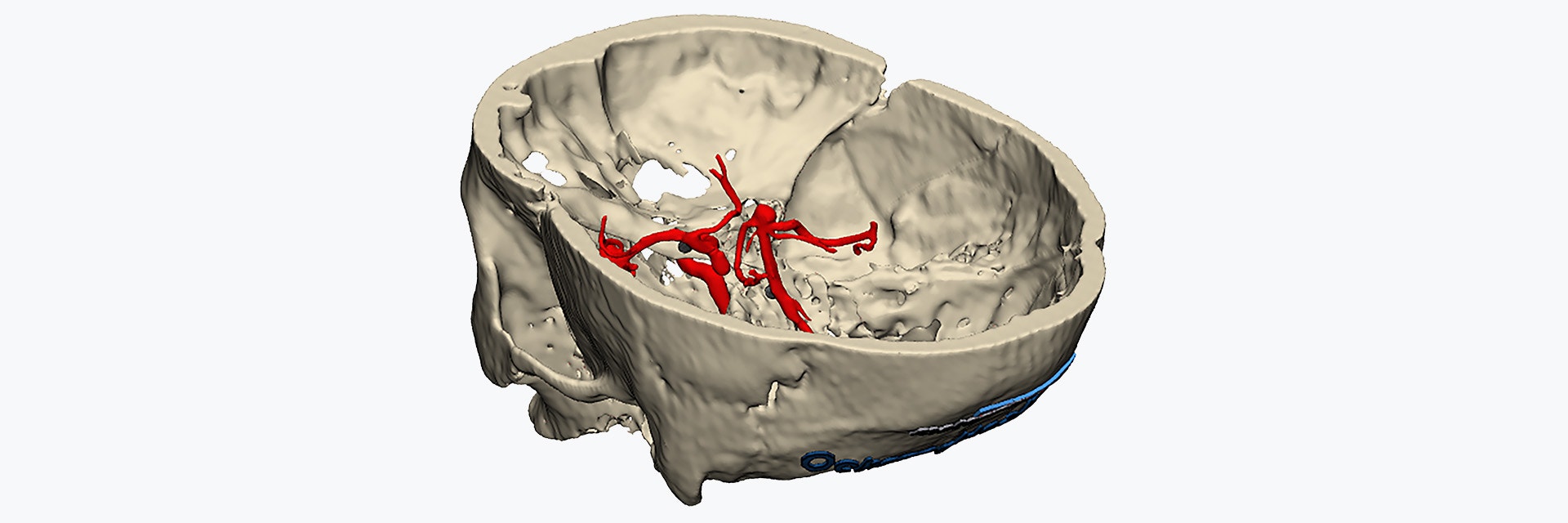
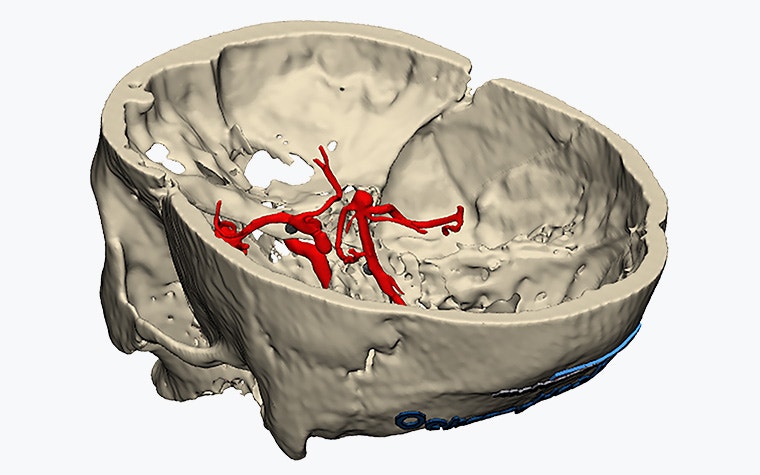
Even the most skilled surgeons can face difficulty anticipating every nuance in complex cases like intracranial aneurysms or AVMs. With such a comprehensive view of the 3D model, the surgical team at Ochsner Health can explore and interact with the patient anatomy in detail — measuring, marking, and manipulating structures to see how critical anatomy relates before operating.
This 3D clarity helps them foresee potential challenges, align strategies across specialties, and make the right call under pressure in the OR — bringing greater predictability to procedures and, in turn, to outcomes.
2. Helping patients see and feel their diagnosis
Complex medical imaging can be difficult for patients to interpret, often leaving them uncertain about what lies ahead. At Ochsner, surgeons use patient-specific 3D anatomical models created from medical scans to guide conversations in a more tangible way.
In one neurovascular case, the patient was able to hold a 3D‑printed replica of their cranial anatomy, making the diagnosis easier to understand, building trust, and securing truly informed consent. By turning abstract images into something patients can see and touch, the experience shifts from confusion to clarity and confidence in treatment decisions.
“3D visualization and printing can be invaluable for patient education.”
— Korak Sarkar, MD, Clinical Director, Ochsner Health Neuroscience BioDesign Lab
3. Aligning today’s team while inspiring tomorrow’s
Multi-disciplinary care depends on a shared understanding of a patient’s anatomy. 3D models make that shared vision possible for Ochsner Health — connecting their team, data, and decisions for a smoother transition into the OR.
This use of advanced 3D planning tools doesn’t just empower current teams; it attracts the next generation. For specialists in pediatric cardiology, neurosurgery, orthopaedics, and beyond, Ochsner Health’s 3D planning routine signals a clear commitment to innovation, helping them draw in and retain high‑caliber professionals eager to advance patient care.
From possibility to practice
Ochsner’s success shows what’s possible when hospitals embrace 3D planning — not just at scale, but at the very start of their journey. By minimizing surgical surprises, helping patients see their diagnosis, and fostering strong team alignment, this technology opens new doors to personalized medicine. Materialise Mimics software works quietly behind the scenes to make these benefits real, turning complex data into clear, actionable insights.
Share on:


You might also like
Never miss a story like this. Get curated content delivered straight to your inbox.