
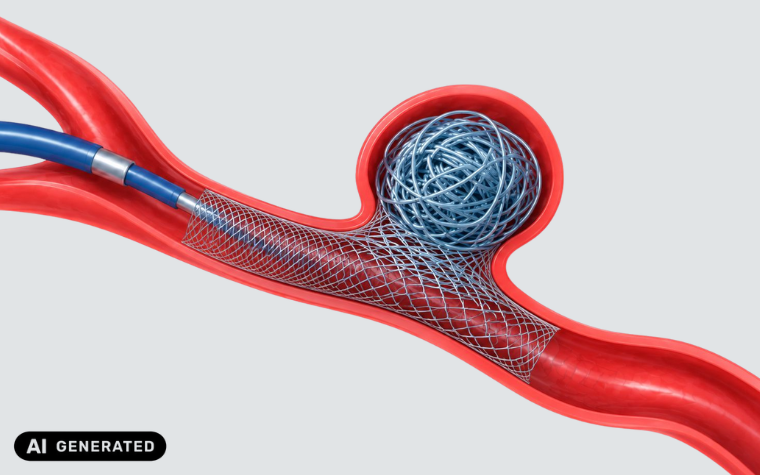
Analyze individual patients or a specific patient population to reconstruct neurovascular anatomy and understand the geometry of the aneurysm, landing zone, and surrounding vessels.
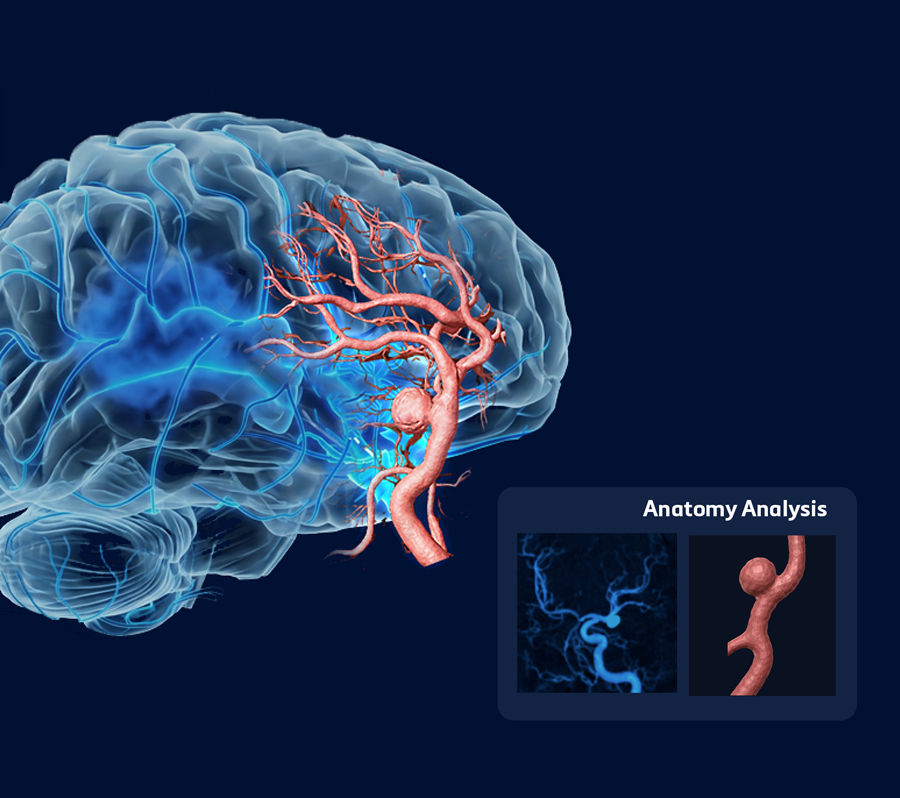
The race to market is tight, and lengthy design cycles work against you. Accelerate the design cycle for your brain aneurysm device with regulatory-accepted computational modeling and simulation (CM&S) tools and services.

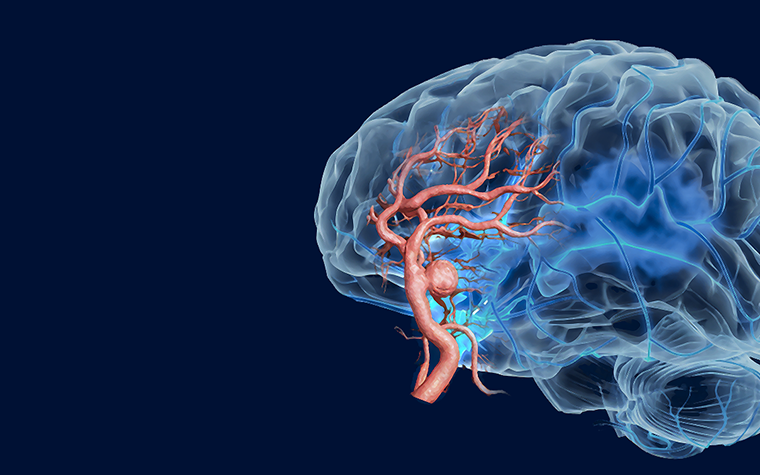
Development needs vary across brain aneurysm devices. Find out how we support you for your device type.
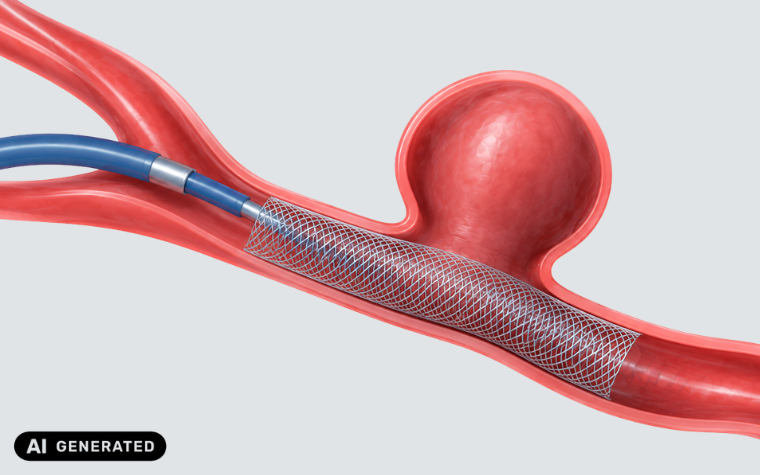
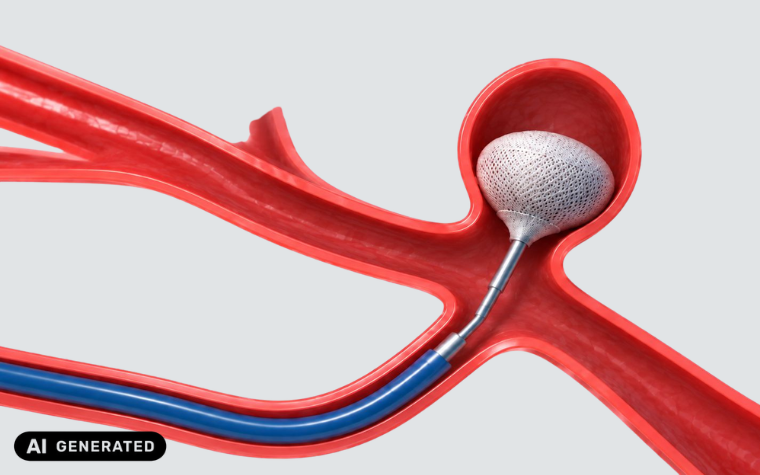
Trust in a partner that's completed 100+ simulation projects for R&D.
Access the industry-standard medical image processing platform with the market's most comprehensive CM&S offering.
Get support from neurovascular FEA experts and local teams that speak your language.


Bring your cardiovascular or neurovascular device to market quickly, efficiently, and affordably with computational modeling and simulation.
Accelerate your journey to personalization at scale with the most robust software platform for analysis, planning, and design.
Access the power of digital twins while avoiding the steep learning curve with our medical data mining and population analysis services.
L-105519-01
The information on this page is intended for medical device companies using computer modeling and simulation for research and development (R&D) purposes in neurovascular device development only. Materialise Mimics is not cleared for clinical use in this context and is not intended for clinical planning or design of neurovascular devices.