Technology
Vacuum Casting
Bring versatility, repeatability, and scalability to your production workflow with vacuum casting at Materialise. Our range of rubber-like, ABS-like, and PP/PE-like polyurethanes is ideal for fit and function testing, marketing purposes, or short series runs of end-use parts.
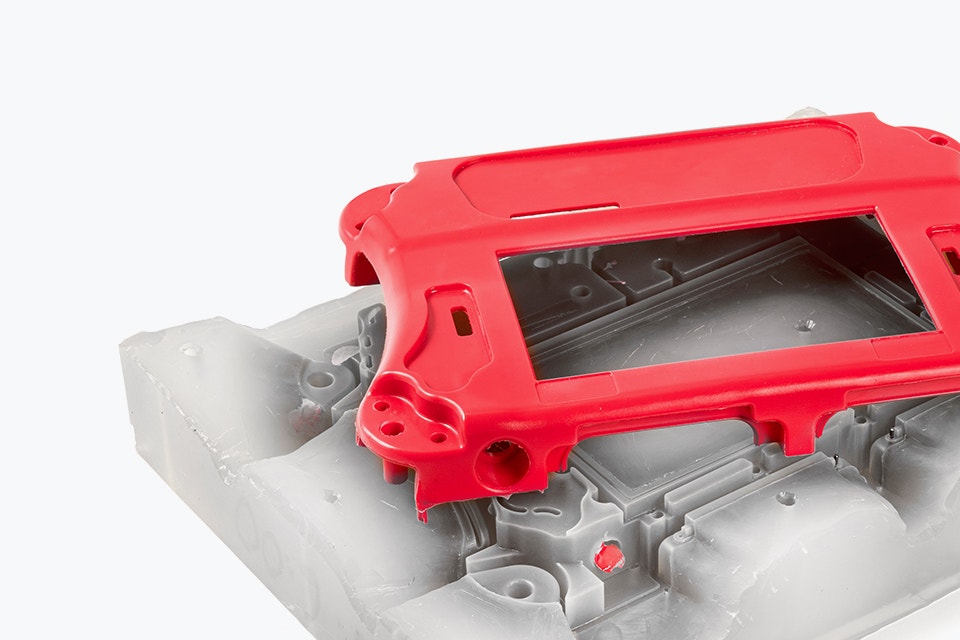
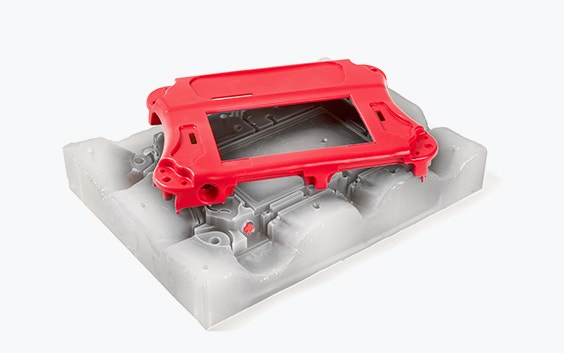
Vacuum casting manufacturing service
At Materialise, we can help you make a big impact with small series production. Our range of 26 carefully selected rubber-like, ABS-like, and PP-like polyurethanes provides an outstanding variety of properties. What's more, if you're looking for a specific finish, the teams at our dedicated vacuum casting center can match the exact finish you need for your parts.
Vacuum casting materials
Choose from a broad selection of materials when you come to Materialise for your vacuum casting projects.
Rubber-like Polyurethanes
Technology
Vacuum casting
Technology
Vacuum casting
Description
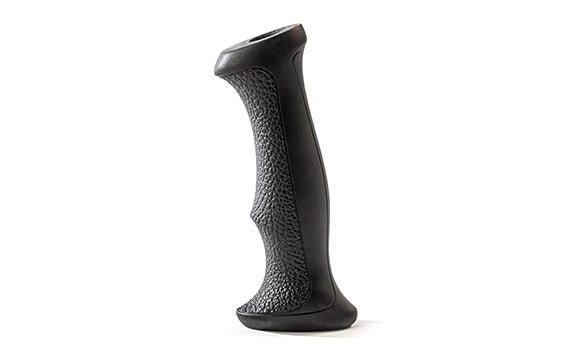
Offering a range of different material properties, our rubber-like polyurethanes can be used with silicone molds to produce high-quality prototypes or small series of end-use parts.
Key characteristics
- Excellent surface quality and detail, resembling TPE, TPU, and silicone rubber
- Ideal for applications that need good shock absorption
- Cost-effective way to produce prototypes or small series of end-use parts
- Max part dimensions: 1,900 x 900 x 750 mm (maximum part volume: 10 liters)
ABS-like Polyurethanes
Technology
Vacuum casting
Technology
Vacuum casting
Description
Offering a range of different material properties, our ABS-like polyurethanes can be used with silicone molds to produce high-quality prototypes or small series of end-use parts.
Key characteristics
- Excellent surface and detail, with injection-molded look and feel
- Flame-retardant, food-safe, and UV-stable materials available
- Cost-effective way to produce prototypes or small series of end-use parts
- Max part dimensions: 1,900 x 900 x 750 mm (maximum part volume: 10 liters)
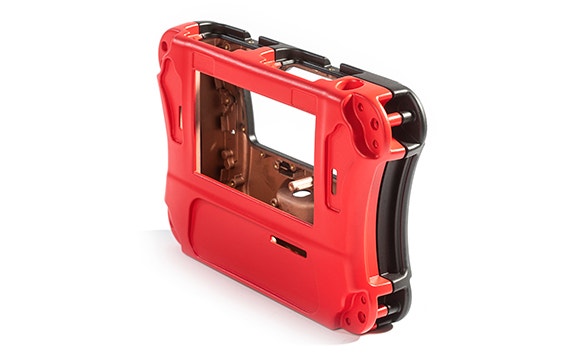
PE/PP-like Polyurethanes
Technology
Vacuum casting
Technology
Vacuum casting
Description
Offering a range of different material properties, our PE/PP-like polyurethanes can be used with silicone molds to produce high-quality prototypes or small series of end-use parts.
Key characteristics
- Excellent surface and detail, with injection-molded look and feel
- Tough and lightweight with a wide range of finishes available
- Cost-effective way to produce prototypes or small series of end-use parts
- Max part dimensions: 1,900 x 900 x 750 mm (maximum part volume: 10 liters)
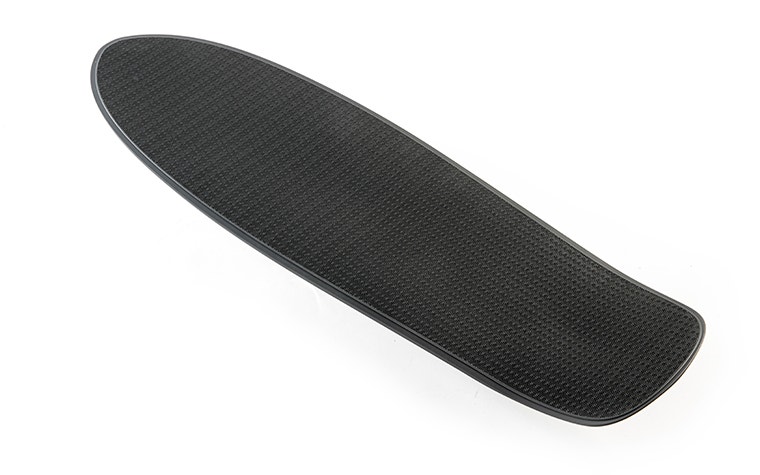
Finishing processes for vacuum casting
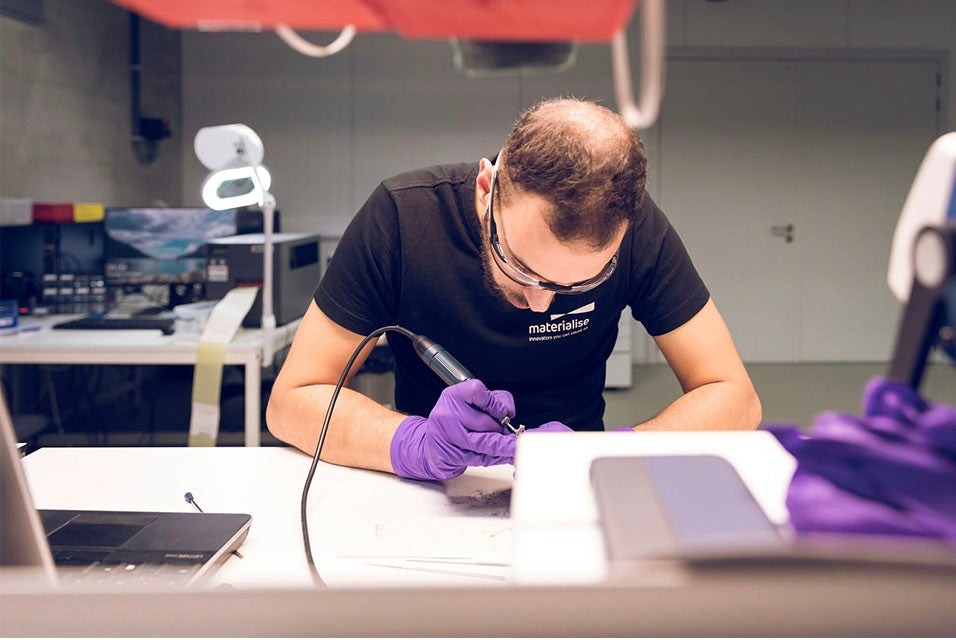
The right finish can transform your part. Choose from a wide range of high-quality finishing options for every vacuum casting material, including smoothing, coloring parts in mass, painting, assembly, gluing, and beyond. The teams at our dedicated vacuum casting center can match the exact finish you need, and we’ll take care of every step before delivery, simplifying your ordering process.
Technical specifications
| Maximum build dimensions | The size of the mold is limited by the dimensions of the vacuum chamber (1,900 x 900 x 750 mm) and by the volume of the product (maximum volume: 10 liters) |
| Standard accuracy | ±0.3% (with a lower limit on ±0.3 mm on dimensions smaller than 100 mm) |
| Minimum wall thickness | At least 0.75 mm to ensure the mold is filled properly; for best results, wall thickness of at least 1.5 mm is recommended |
| Surface structure | High-quality surface finish comparable to injection molding |
How does vacuum casting work?
What is vacuum casting used for?
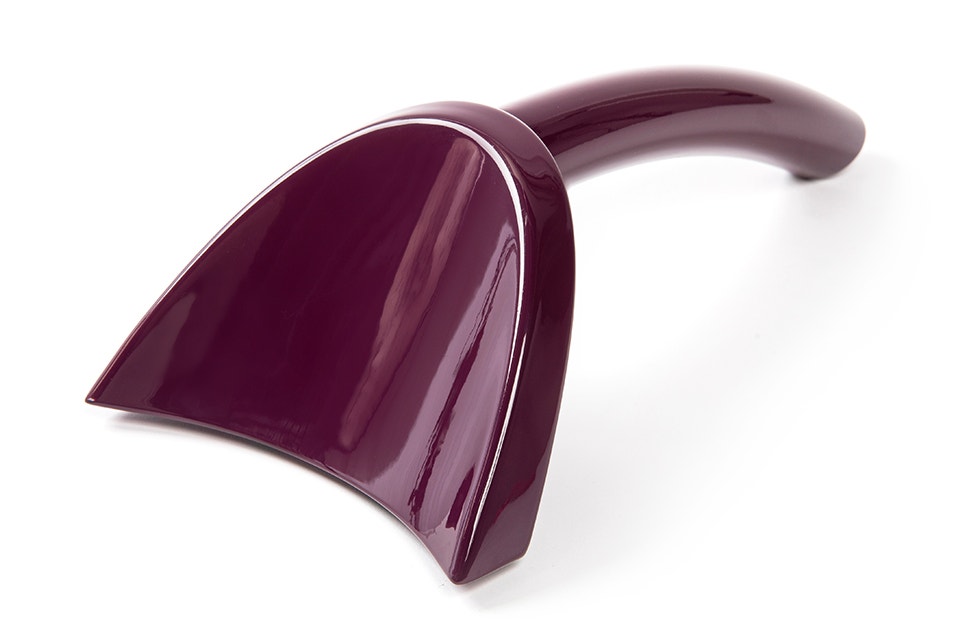

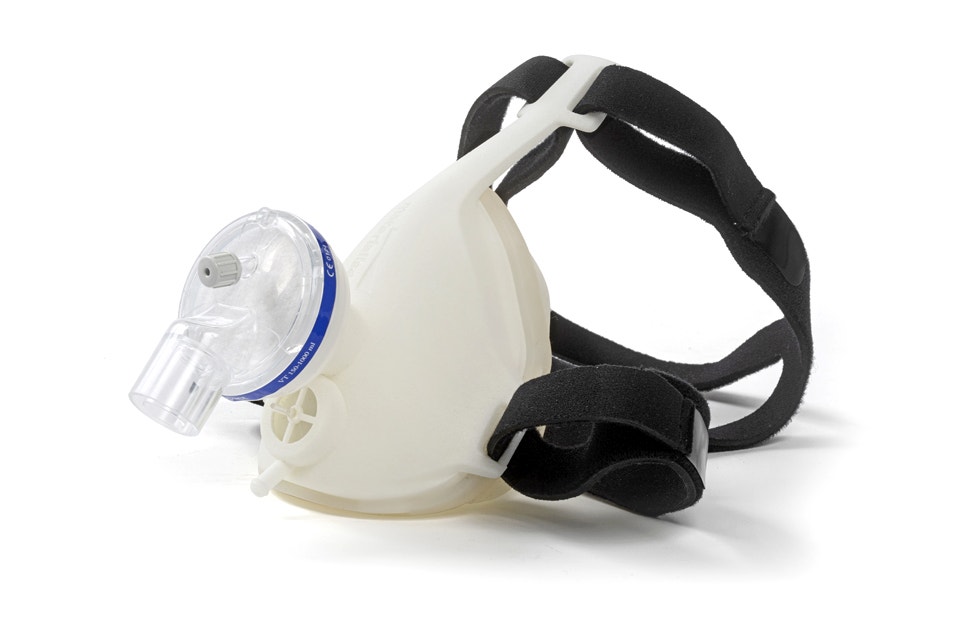
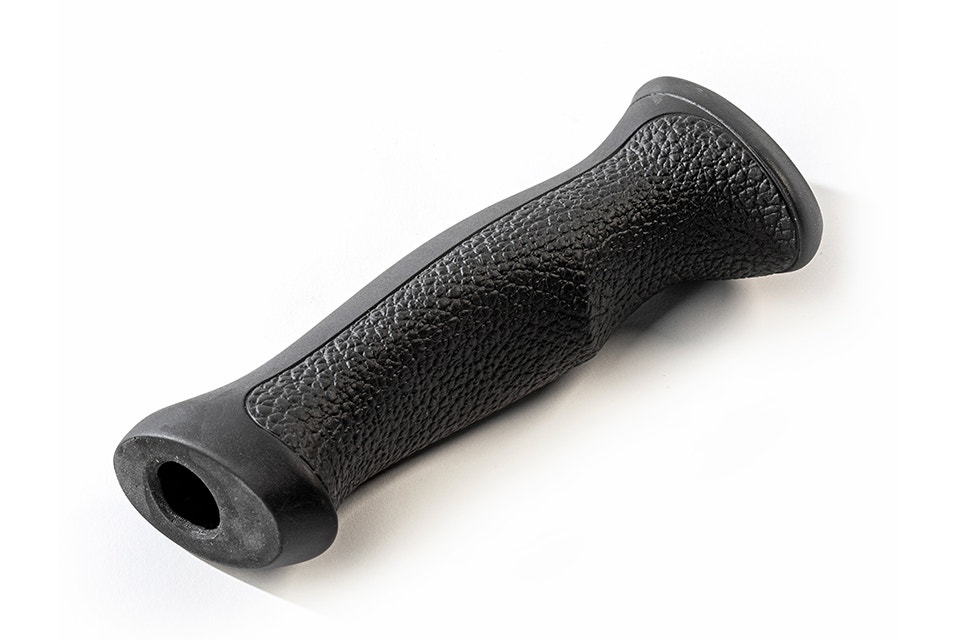
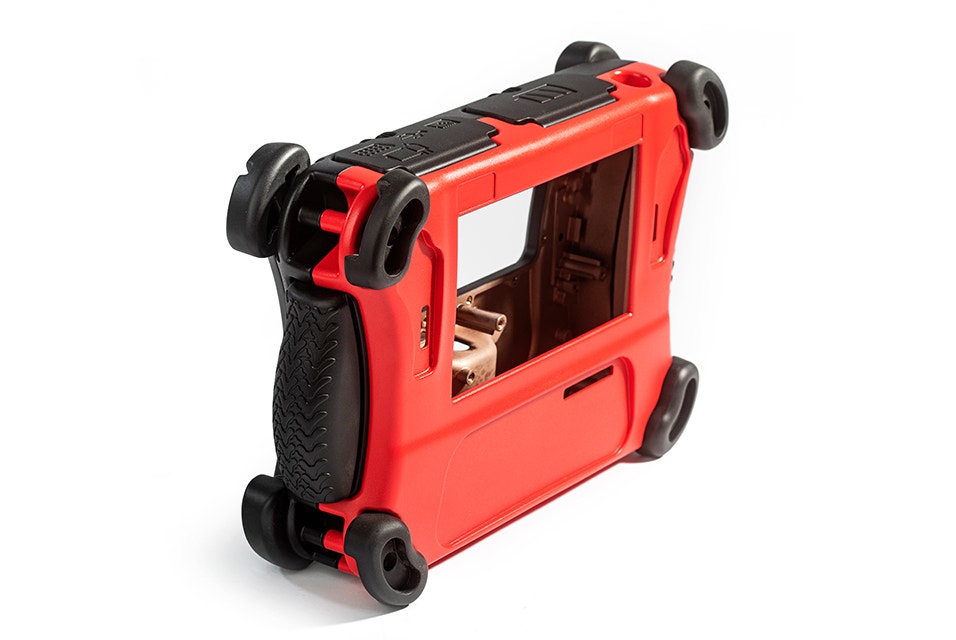
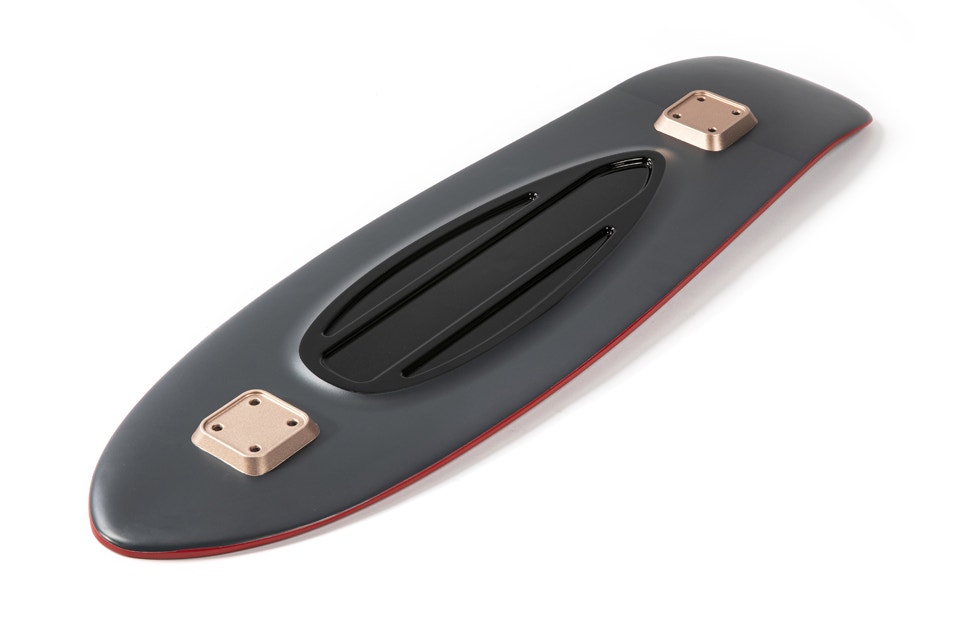
Work with us: discover our products and services
Want to use vacuum casting in a future project? Discover the manufacturing services that can help you do it.
Innovate and speed up your manufacturing in collaboration with our experts. Rely on our full range of in-house technologies suitable for all industries and applications.
Transform your product development cycle and get the best possible products to market faster. Get unbiased advice and dedicated support from teams committed to your success.
Build your success on a platform of software tools that efficiently manage and control the 3D printing process, allowing you to meet the highest standards of the most demanding industries.
Frequently asked questions

Train and learn
Get more from your next project with helpful resources dedicated to vacuum casting.